The Old Way Still Works, but the World Around It Doesn’t
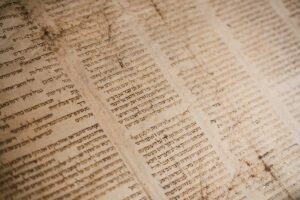
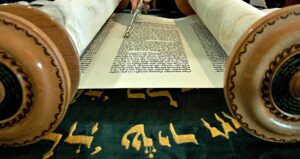
For most of Jewish history, checking a Torah scroll, a mezuzah, or tefilin meant one thing: a scribe sits down with a magnifying glass and reads every letter by hand. That has not changed. It still has to happen that way, because a machine cannot rule on Jewish law and a scan cannot fix a cracked letter.
What has changed is everything around that moment. Communities are smaller and more spread out. A congregation that once had a scribe down the street now might not have one within a few hundred miles. Scrolls travel more than they used to, get shipped, get inherited, get moved from one country to another with a family. And people ask more questions before they trust an answer.
I travel to check scrolls, mezuzahs, and tefilin wherever they are, rather than expecting every community to have someone local. That is not a new idea, traveling scribes have always existed. But the reasons people call me now are different than they were even a decade or two ago.
Why More People Are Asking Questions Before They Act
I used to get calls that started with “we think something might be wrong.” Now I get calls that start with “we read that letters can fade over time, is that true for ours.” People do more reading before they pick up the phone. Some of it is good information. Some of it is half right and leads people to worry about the wrong thing entirely.
That shift is the real change. It is not the scrolls. Parchment and ink behave the same way they did five hundred years ago. It is the amount of information reaching people before a scribe ever sees the actual item.
So a bigger share of my work now is explaining, not just checking. I will look at a scroll, tell a family what I found, and then spend just as long walking through why it matters or does not matter. That second part used to be optional. Now it is expected.
What I Do Differently Because of It
I check more often, not just when something looks wrong. People used to wait for a visible problem before calling. Now I encourage a periodic check on a set schedule, especially for scrolls or tefilin that get regular use or that travel. Catching a small issue early is a smaller fix than catching it late.
I document what I find. A written note about what was checked, what was found, and what was done gives a family something to keep. It also means the next scribe who looks at that scroll, whether that is me again in a few years or someone else entirely, has a record instead of a guess.
I explain the law along with the finding. If a letter needs repair, I say what part of Jewish law makes that letter invalid, not just that it is invalid. People remember reasons. They do not always remember rulings.
I stay reachable for questions that come up between visits. A family who just inherited a scroll from a parent often has questions long before anything needs a physical check. Being available for that conversation matters as much as the technical work.
What Has Not Changed, and Should Not
The actual standard for a kosher scroll has not moved and is not going to. A letter is either formed correctly or it is not. A crack either touches the letter or it does not. No amount of new information changes what makes a scroll fit for use.
That is worth saying plainly, because when people read more, they sometimes start to think the rules themselves are shifting. They are not. What is shifting is access to a scribe, and how much people want to understand before they trust a finding.
What I Would Tell a Community Weighing This
If your community does not have a scribe nearby, do not wait for a problem to surface before you find one. Build a relationship with someone before you need them urgently. Ask questions. A scribe who cannot explain a finding in plain language, in a way that makes sense to you, has not finished the job.
The scrolls themselves are patient. Parchment written correctly and stored correctly will last generations. The part that needs tending is the relationship between a community and the person who checks its scrolls. That is the part that has to keep up with how people actually live now.