Starting With the Letter Instead of the Line
Almost everyone who sits down to learn Hebrew calligraphy for the first time makes the same mistake. They open a page, pick a letter, and try to copy its shape. It looks reasonable. It is also backward.
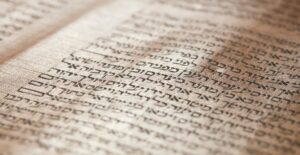
A letter is not a shape you memorize. It is the result of a line moving in a certain order, at a certain angle, with a certain pressure. If you copy the outline without learning the motion that produces it, you end up with something that looks close but reads wrong to anyone trained to notice. The line has a rhythm before it has a form.
I ask new students to put the pen down for the first few sessions and just watch the stroke order. Where does the quill start. Where does it lift. Where does it thicken and thin. Only once that motion is familiar do I let them touch parchment. It feels slow to them at first. It saves months later.
Why the Shortcut Backfires
The reason this mistake is so common is that it works, briefly. A student who copies shapes can produce a passable letter within a week. Confidence builds fast. Then they hit a wall: the letters that depend on rhythm rather than outline, the ones that connect or curve in a way you cannot fake by tracing.
At that point they have to unlearn a habit instead of building on one. Unlearning always takes longer than learning correctly the first time. I would rather a student feel unsure for three weeks than confident for one and stuck for three months.
What Slows Someone Down the Right Way
There is a difference between a beginner who is slow because they are careless, and one who is slow because they are paying attention to the motion. I watch for the second kind and try to protect it. Rushing a student past that stage does them no favors, even when they are eager to see finished pages.
What I Ask Students to Do Instead
Instead of copying letters, I ask students to copy strokes in isolation first. The downstroke that starts a lamed. The turn that finishes a mem. Over and over, away from the pressure of forming a real word. It is unglamorous work. Nobody frames a stroke.
But once the motion is in the hand, the letters come together on their own. I have seen students who spent weeks on strokes produce cleaner, more consistent pages in a month than students who jumped straight to full letters and practiced for three.
A Small Test I Use
I sometimes ask a student to write the same letter ten times in a row without looking at a reference. If the tenth one looks like the first, the motion has taken hold. If it drifts, they are still relying on memory of a shape rather than a learned movement. That drift tells me more than any single letter does.
The Same Mistake Shows up Elsewhere
This is not only a calligraphy problem. I see the same pattern whenever someone tries to shortcut a skill by copying its output instead of learning the process behind it. It shows up in painting, in learning a prayer by rote instead of understanding it, in a lot of skilled work.
The output always looks fine to someone who is not trained to see past it. The trouble comes later, when the person has to adapt, improvise, or fix a mistake, and discovers they only ever learned to copy, not to understand.
Why I Keep Teaching It This Way
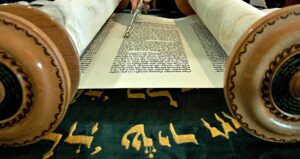
I know the slower method costs me students in the short term. Some people want to see a finished page in their first lesson, and I understand the impulse. But a scribe’s work outlives the person who wrote it. Torah scrolls get read for generations. I would rather teach someone to understand the line than to fake the letter, even if it means the first few weeks look like very little progress at all.
The students who stay with it usually tell me the same thing later: the slow part is what let everything else make sense.